Agenda Antártica
Gentoo penguin on Antarctic ice

About Antarctica

EARTH'S
LAST WILD
CONTINENT

14 million km² of ice, silence, and life at the edge of the world — and the key to our planet's future.

Why It Matters Key Facts

14M

km² surface area

−89°C

coldest recorded temp

70%

of Earth's freshwater

56

treaty nations

150B

tonnes of ice lost yearly

01 — Climate System

Antarctica and the
Global Climate

Antarctica is not just a remote wilderness — it is one of the key drivers of Earth's climate system.
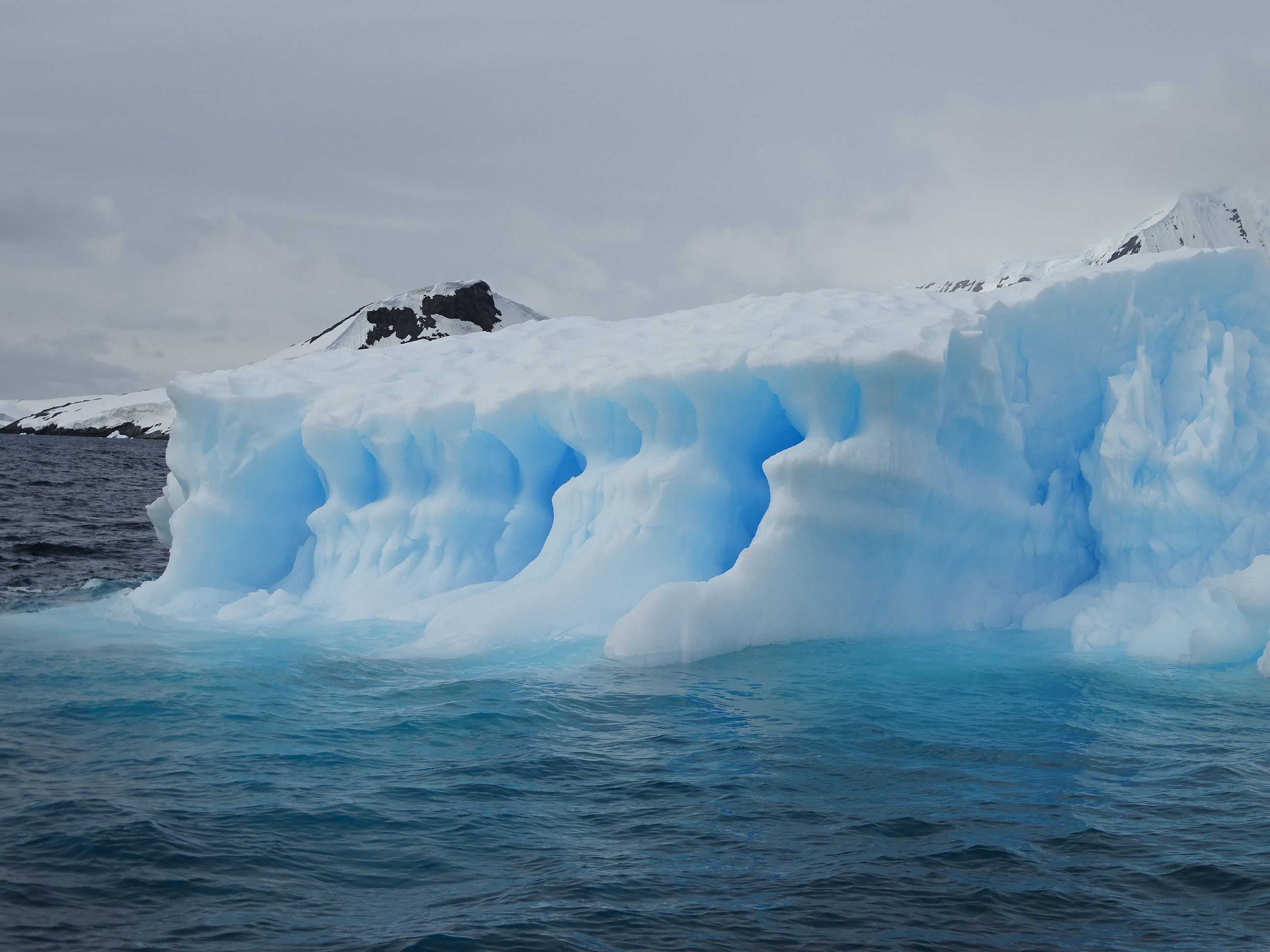
Antarctic glacier and ice sheet

Ice covers 98% of Antarctica

An average of 2.3 km thick — up to 4.7 km in places

Antarctica's ice sheet acts as a giant mirror, reflecting up to 90% of sunlight back into space. This is called the albedo effect — and without it, Earth would be significantly warmer.

Cold water near Antarctica sinks to the ocean floor, driving currents that carry heat and nutrients around the globe. The continent also holds 70% of Earth's freshwater as ice. If it all melted, sea levels would rise by 58 metres.

Key Mechanisms

Albedo & Solar Reflection

White ice reflects sunlight. As sea ice shrinks, darker ocean absorbs more heat — accelerating warming.

Freshwater & Sea Level

Antarctica stores 70% of Earth's freshwater. Every centimetre of ice lost adds measurably to global sea levels.

Ocean & Weather Circulation

Cold Antarctic waters drive global deep-ocean currents, influencing rainfall and temperatures far beyond the polar region.
90%

solar radiation reflected

70%

of Earth's freshwater

58 m

potential sea level rise

800K yrs

of climate data in ice cores

Southern Ocean waters

Photo: Adam Maire / Ocean Image Bank

02 — The Ocean

The Southern Ocean

The youngest ocean on Earth — and one of its most vital.

The Southern Ocean encircles Antarctica, linking the Atlantic, Pacific, and Indian Oceans. Its dominant feature — the Antarctic Circumpolar Current — is the world's largest ocean current, moving heat, carbon, and nutrients across the planet.

Cold water absorbs heat and CO₂ more effectively than warm water. This makes the Southern Ocean a critical buffer against climate change — one that weakens as temperatures rise. It is also one of the most biologically productive oceans on Earth, supporting life from tiny phytoplankton to the largest animals that have ever existed.

~500 million tonnes

estimated total biomass of Antarctic krill — one of the largest on Earth

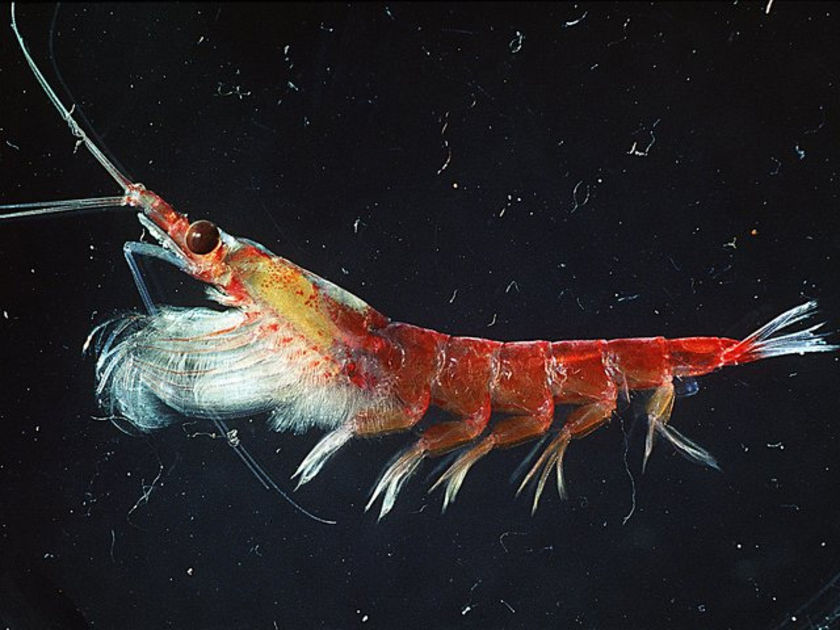
At the base of this ecosystem is Antarctic krill — a small crustacean that feeds penguins, seals, whales, and seabirds. Everything above it in the food web depends on krill.

125M

m³/s carried by the Antarctic Circumpolar Current

70%

of the planet's excess heat absorbed

21M

km² — the world's 4th largest ocean

#1

krill biomass of any ocean on Earth

03 — Biodiversity

Life in Extreme
Conditions

Antarctica is the harshest continent on Earth. Life here is extraordinary — shaped over millions of years by the very conditions that make it so extreme.

8,000+

known marine species
in Southern Ocean waters
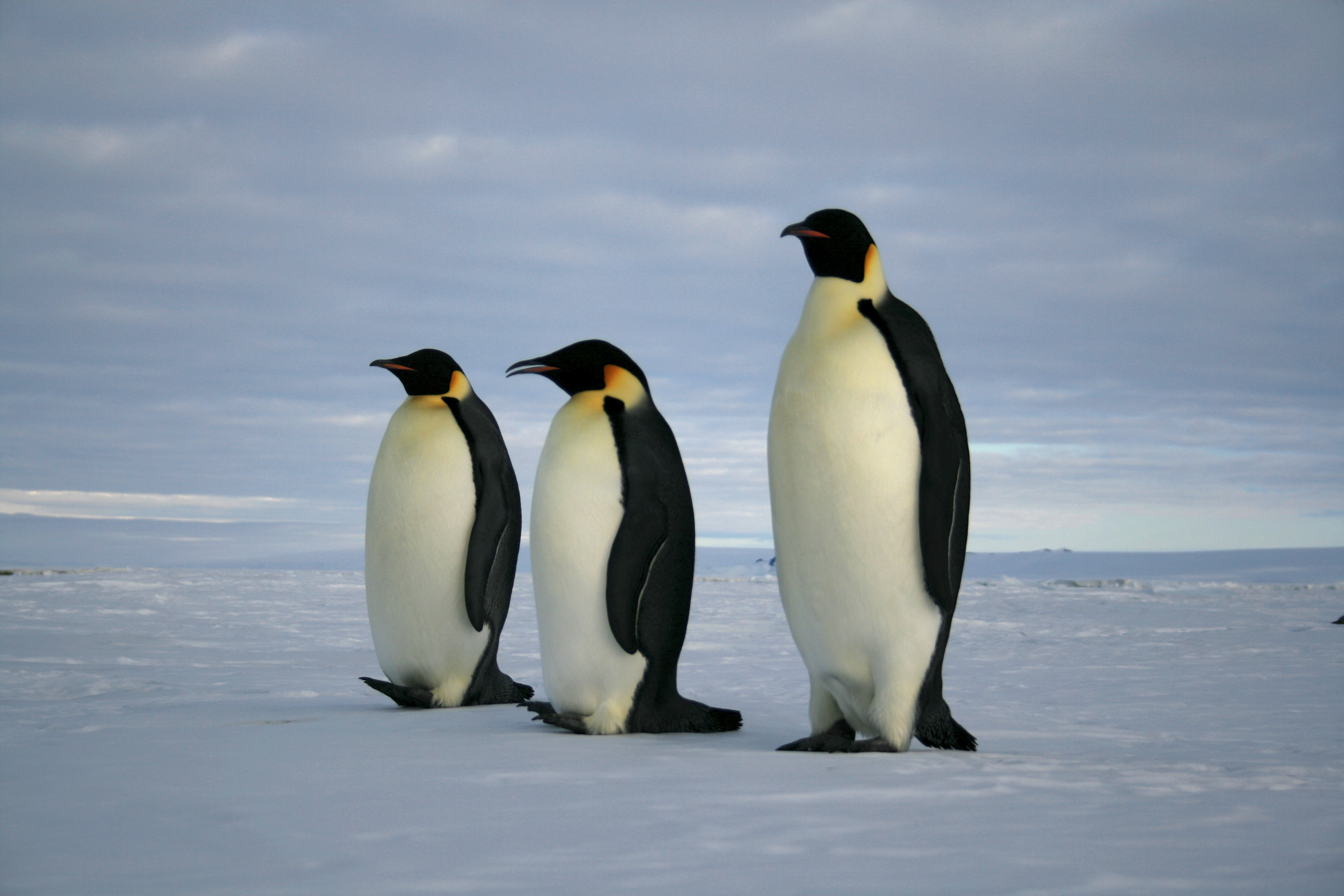
Emperor penguin colony on Antarctic ice

Bird · Aptenodytes forsteri

Emperor Penguin

The world's largest penguin. Breeds on open sea ice in winter — surviving winds above 200 km/h and temperatures of −40°C.

Leopard seal resting on an iceberg in Antarctic waters

Marine Mammal

Leopard Seal

Antarctica's apex ice predator. Fast, solitary, and formidably powerful.

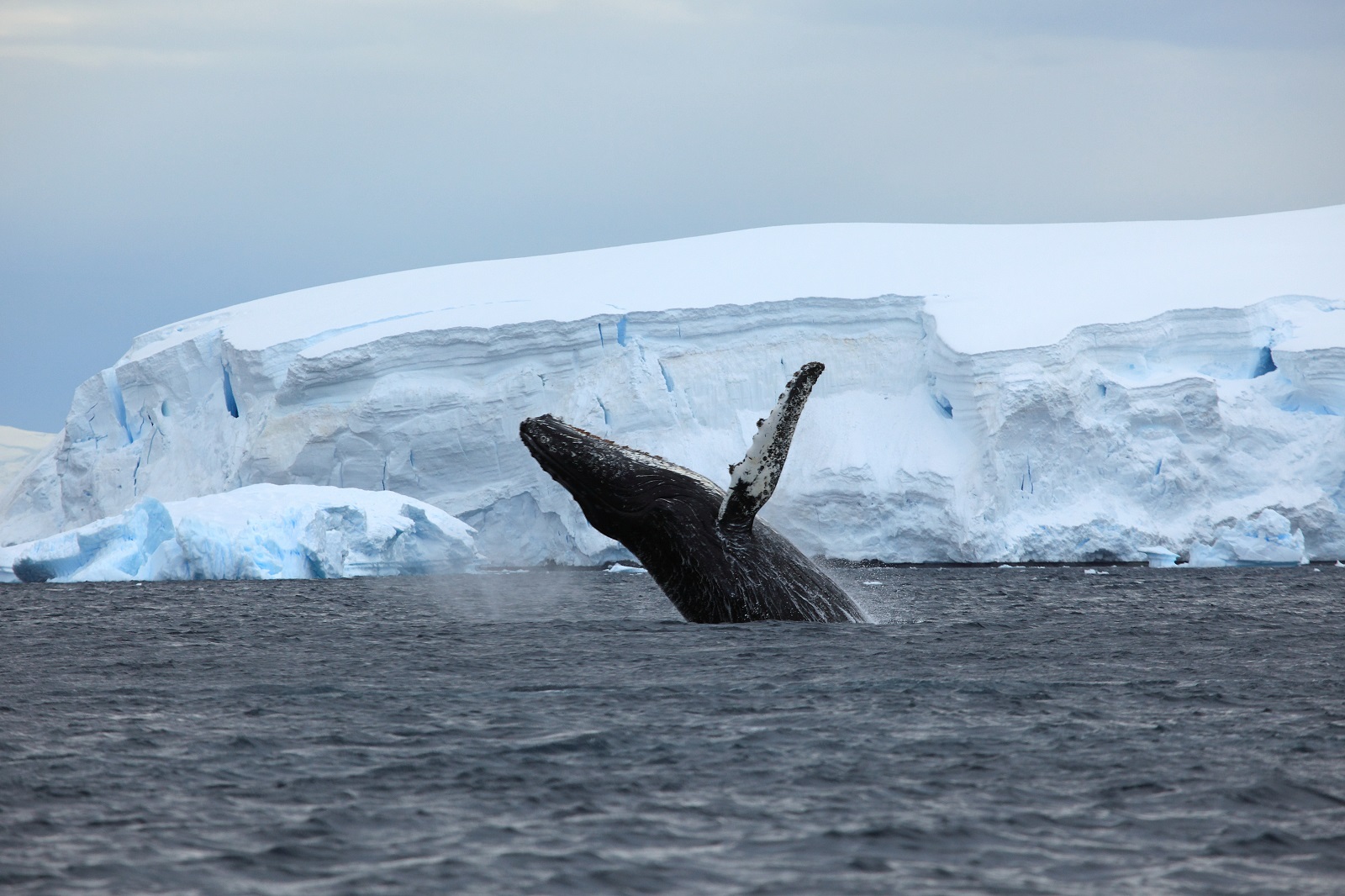
Humpback whale jumping in Antarctic waters

Marine Mammal

Humpback Whale

Migrates annually to feast on Antarctic krill.

Weddell seal resting on Antarctic ice

Marine Mammal

Weddell Seal

Dives below 600 m and holds its breath for over 80 minutes.

Antarctic krill in Southern Ocean waters

Crustacean

Antarctic Krill

Keystone species. The entire Southern Ocean food web depends on it.

Antarctic landscape aerial view with ice

The continent that shapes our planet
is itself under threat.

04 — Under Pressure

Challenges Facing
Antarctica

Antarctica is the most remote place on Earth — but no place is beyond the reach of human impact.

Calm Antarctic seascape with floating icebergs and distant snowy shorelines

"Antarctica is warming 3× faster than the global average"

Antarctic Peninsula temperature data, 2024

Climate Change

The Antarctic Peninsula is one of the fastest-warming regions on Earth. Glaciers are retreating, sea ice is shrinking, and ice shelves that have existed for thousands of years are collapsing.

Warmer seas disrupt krill reproduction — affecting every species that depends on them. Ice-dependent animals like Emperor Penguins could lose their breeding habitat within decades.

Pressure on Marine Ecosystems

Industrial fishing fleets harvest krill and Patagonian toothfish in large volumes. A collapse in krill populations would affect every species in the Southern Ocean — from penguins to blue whales.

Ocean acidification — caused by CO₂ absorption — dissolves the shells of young krill. Polar waters acidify faster than warmer seas, making this region especially vulnerable.

Governance Challenges

Antarctica holds vast reserves of oil, gas, and rare minerals. The Madrid Protocol prohibits mineral resource activities. Contrary to common misconceptions, it does not automatically open in 2048; any review would need to be formally requested by a Party and agreed through a complex consensus process, making such a scenario unlikely. Meanwhile, geopolitical competition for Antarctic access is already intensifying.

CCAMLR, the body managing Southern Ocean fisheries and conservation, requires full consensus to act. A single nation can block new protections indefinitely — making it harder to establish the marine protected areas scientists consider essential.

The Importance of International Cooperation

Antarctica has no government and no permanent residents. Its protection relies on a voluntary international agreement — the Antarctic Treaty System — where all major decisions require unanimous consent from member states.

That means one country can block any new protection, indefinitely. As polar regions grow more strategically important, the challenge is ensuring collective decisions reflect Antarctica's needs — not individual state interests.

Natural Resource Pressure

Growing global demand for oil, gas, and rare earth minerals is driving renewed interest in Antarctica's untapped reserves. As the 2048 review window for the Madrid Protocol approaches, pressure to lift the extraction ban is mounting — putting the continent's last pristine landscapes at risk.

Tourism

Antarctic tourism has surged to record levels, with over 100,000 visitors per season. Expedition ships, foot traffic on fragile coastlines, and noise pollution disturb nesting colonies and introduce invasive species. Growth continues to outpace the regulatory frameworks designed to contain it.

Geopolitical Tensions

As the Arctic becomes increasingly contested, major powers are redirecting strategic ambitions southward. Overlapping territorial claims, expanding research station networks, and rising military interest are straining the cooperative spirit that the Antarctic Treaty System was built on.